
Unlock Safer Drives: How Low Tire Pressure Threatens Your Car and Wallet

May 18th, 2026 by

The Hidden Dangers of Low Tire Pressure: Is It Safe to Drive?
 

Every driver has experienced that sinking feeling when the amber horseshoe icon illuminates on the dashboard. Throughout the Lake Norman area, maintaining your vehicle’s health is paramount to safety. But the question remains: Is it actually okay to drive with low tire pressure? The short answer is a resounding no—at least not for long. Driving on underinflated tires isn’t just a minor maintenance oversight; it is a critical safety risk that compromises your vehicle’s integrity, performance, and your wallet.

At Genesis of Lake Norman, we believe an informed driver is a safe driver. When your tires are low, the entire physics of your vehicle changes. The contact patch—the small area of rubber that actually touches the road—distorts, leading to unpredictable handling and increased heat buildup. Whether you are commuting down I-77 or taking a leisurely drive through Mooresville, understanding why those few pounds per square inch (PSI) matter can be the difference between a smooth arrival and a dangerous roadside emergency. If you’re currently seeing that warning light, you should schedule service for your Genesis at Genesis of Lake Norman immediately to ensure your safety.


Immediate Safety Risks: Blowouts and Loss of Control
Extended Braking


Underinflated tires have a larger, floppier footprint. This seems like it would offer more grip, but it actually destabilizes the tread. During an emergency stop, the tire carcass can’t support the weight of the vehicle efficiently, significantly increasing the distance required to come to a complete halt.


Compromised Steering


Your steering response relies on the structural rigidity of the tire sidewall. When pressure is low, the sidewalls flex excessively. This results in ‘mushy’ steering and a delayed response when you need to swerve to avoid an obstacle on Statesville Road.


High-Speed Blowouts


This is the most dangerous risk. Low pressure causes the tire to flex beyond its design limits, generating immense internal heat. This heat can cause the rubber to delaminate from the internal steel belts, leading to a catastrophic blowout at highway speeds.


The Financial Toll: Fuel Economy and Premature Wear


Driving with low tire pressure isn’t just a safety hazard—it’s an expensive habit. When your tires are underinflated, their rolling resistance increases. Think of it like riding a bicycle with flat tires; you have to pedal much harder to maintain speed. Your engine has to work harder, which directly translates to lower MPG.

Furthermore, low pressure causes ‘shoulder wear.’ Instead of the tire wearing evenly across the tread, the weight is concentrated on the outer edges. This drastically shortens the lifespan of your tires, forcing you to buy replacements years earlier than expected. If you’re noticing uneven wear, it might be time to browse our parts department for a new set of high-performance tires tailored to your vehicle.


Does Your Genesis Need Professional Attention?


Don’t guess when it comes to your safety. Our factory-trained technicians can perform a precision pressure check, inspect for hidden punctures, and even provide a nitrogen fill for more stable pressure regulation. We are conveniently located for drivers in Huntersville, Charlotte, and beyond.
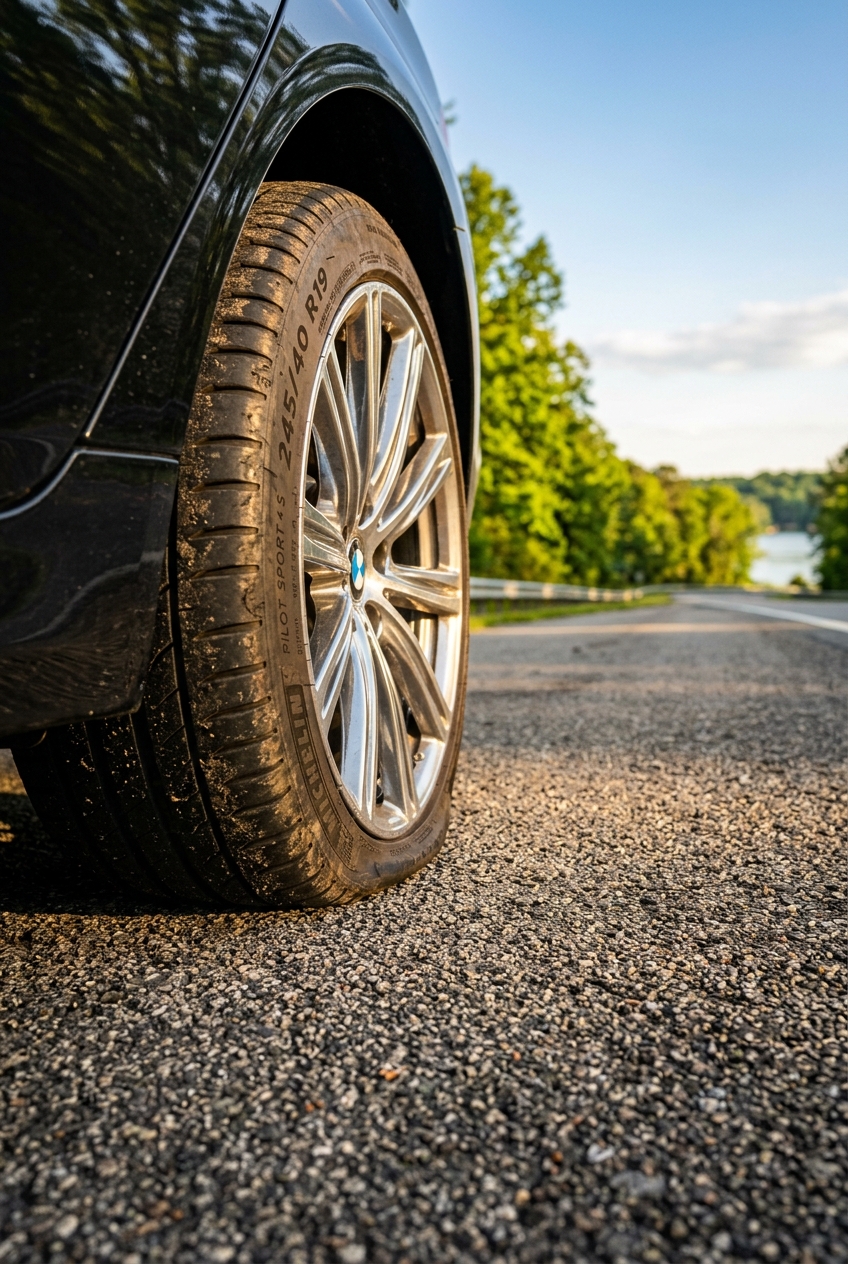
 

A dramatic close-up and low-angle shot of a modern luxury sedan’s tire, the tire is noticeably underinflated with a visible sag and bulge at the base where it meets the dark asphalt, macro focus on the distorted rubber contact patch, situated on the side of a paved highway in the lush Lake Norman region of North Carolina, soft bokeh background featuring green oak trees and a clear afternoon sky, warm golden hour sunlight glinting off the polished chrome wheel rim, high-resolution textures showing the grit of the road and the grain of the tire sidewall, cinematic lighting with long shadows, a serious and cautionary mood highlighting automotive safety, realistic photography style, vibrant natural colors, crisp details, high contrast between the dark rubber and the sunlit pavement.

Understanding Your TPMS: What the Warning Light Really Means


Your Tire Pressure Monitoring System (TPMS) is a sophisticated electronic assistant, but it’s important to understand its logic. Generally, the TPMS light activates when a tire is 25% below the manufacturer’s recommended pressure. This means by the time you see the light, your tire is already significantly underinflated.

Steady Light: One or more tires have low pressure. Check them as soon as possible.
Flashing Light: This usually indicates a malfunction with the TPMS system itself (such as a dead sensor battery). You should still check your pressures manually, but the system needs a professional reset. If your Genesis is reaching the age where sensors might fail, call us at (704) 765-3500 to discuss a diagnostic appointment.


Environmental Factors: Why Cornelius Weather Affects Your PSI

The 10-Degree Rule


For every 10-degree drop in outside temperature, your tires typically lose about 1 PSI. This is why many drivers in North Carolina see their TPMS light on the first cold morning of autumn.


Seasonal Shifts


In Cornelius, we experience humid summers and crisp winters. These swings mean you should check your pressure at the start of every season, even if you haven’t hit a nail or a pothole.


Overnight Drops


Tires cool down overnight, causing the air to contract. If you check your pressure after a long drive, the reading will be artificially high due to friction heat. Always check ‘cold’ in the morning.


The Physics of the Flat: Heat, Flex, and Friction


To understand the danger of low pressure, we must look at the molecular behavior of the air inside your tires. Air is a gas that expands when heated and contracts when cooled. When a tire is properly inflated, the internal air pressure supports the vehicle’s weight and maintains the tire’s shape. However, when pressure drops, the tire’s sidewalls undergo excessive deformation with every revolution.

This deformation is known as ‘hysteresis.’ As the rubber molecules are forced to stretch and compress rapidly, they generate internal friction, which creates heat. On a hot NC summer day, this internal temperature can spike well above 200 degrees Fahrenheit. At these temperatures, the chemical bonds in the rubber begin to break down. This doesn’t just make the tire wear out faster; it physically weakens the structure, leading to the aforementioned blowouts. This is why high-performance vehicles, like those found in our new vehicles for sale at Genesis of Lake Norman, require such precise PSI settings.


Need New Tires or a Quick Repair? Visit Our Service Center

How to Check and Inflate Your Tires Like a Pro


Checking your tire pressure is one of the simplest and most effective maintenance tasks you can perform. First, ignore the ‘Max PSI’ listed on the tire’s sidewall—that is the maximum pressure the tire can hold, not the recommended pressure for your specific vehicle. Instead, open your driver’s side door and look for the white and yellow placard on the door jamb.

Use a high-quality digital gauge for the most accurate results. Remove the valve cap, press the gauge firmly onto the valve stem, and note the reading. If the number is lower than the door placard, add air in small bursts until you reach the target. While you’re at it, don’t forget the spare! If you need a high-quality gauge, you can find Genesis-approved accessories by following this link to the parts department for Genesis of Lake Norman.


Common Causes of Slow Leaks

Valve Stem Failure


The rubber on your valve stem can become brittle and crack over time, or the internal ‘Schrader valve’ can become stuck open, allowing air to seep out slowly.


Foreign Objects


A small nail or screw in the tread can create a slow leak that takes days or weeks to trigger the TPMS light. Never pull out a nail yourself; the air will escape instantly.


Bead Corrosion


If you drive on salted winter roads, corrosion can form where the tire meets the metal rim (the bead), preventing a perfect seal and causing constant pressure loss.


Genesis Performance: Why Luxury Vehicles Demand Precision


The engineering behind a Genesis G80 or GV80 is a masterclass in balance. The Electronic Stability Control (ESC) and Traction Control Systems (TCS) are calibrated with the assumption that your tires are at the manufacturer-specified PSI. When pressure is off, these computer systems receive ‘noisy’ data from the wheel speed sensors, which can cause the safety systems to intervene too early or too late.

Driving a luxury vehicle means enjoying a refined, quiet ride. Underinflated tires increase road noise and vibration, masking the premium experience you invested in. If you’re considering an upgrade to a newer model with advanced safety tech, feel free to explore our new vehicles for sale at Genesis of Lake Norman.


The ‘Can I Drive It?’ Decision Matrix

1-5 PSI Low


Action: Safe to drive locally. Proceed directly to the nearest air pump or Genesis of Lake Norman to top off your tires.


10-15 PSI Low


Action: Caution. Drive slowly and avoid highway speeds. Refill immediately. If the pressure drops again quickly, you have a leak.


20+ PSI Low


Action: Do not drive. The tire is considered flat. Driving on a tire this low will ruin the rim and could cause a crash.


Frequently Asked Questions About Tire Pressure

Gas Station Pumps?


Are they accurate? Often no. They are abused and exposed to the elements. Use them for air, but use your own gauge for the reading.


Warranty Coverage?


Does low pressure affect my warranty? Neglecting tire maintenance can lead to denied claims for suspension or drivetrain issues related to vibrations.


Run-Flat Tires?


Can I drive them low? Yes, usually for 50 miles at 50 MPH, but they still need immediate replacement or repair after a pressure loss event.


Prioritize Your Safety: Schedule Your Genesis Service Today
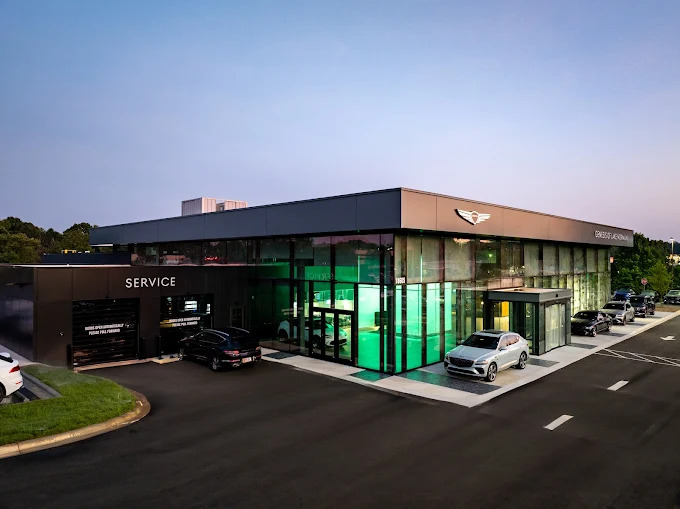
Genesis dealership exterior with cars and service entrance at dusk.


Don’t let a small warning light lead to a big problem. Driving with low tire pressure is a risk to your safety, your vehicle’s performance, and your financial peace of mind. Whether you need a simple pressure adjustment or a full set of new tires, our team is here to help.

Visit us at 18605 Statesville Rd, Cornelius, NC 28031 and experience the world-class service our customers have come to expect.


Posted in Genesis Service